Insurance and Safety for Carpet Cleaner Rental Services
 When you arrange a carpet cleaner rental, safety and insurance should be the first considerations. Renting a carpet cleaning machine or booking rug cleaning equipment hire has responsibilities beyond the equipment itself: the operator, the site and the environment all need to be managed to limit risk. This section explains how public liability insurance, competent staffing, appropriate personal protective equipment and systematic risk assessments work together to protect customers, operators and the business behind the carpet cleaning machine rental.
Public liability insurance is essential for any company offering carpet cleaning equipment hire or carpet cleaner hire. It provides financial protection should accidental property damage or third-party injury occur during the hire period. Operators and customers alike can benefit from clarity on what the policy covers: accidental water damage, trip hazards from hoses, and chemical spillage are common scenarios listed. Customers renting a carpet cleaner must check that the rental provider maintains current policies and that limits are adequate for the scale of the job.
![A person wearing a light blue long-sleeved shirt and bright green rubber cleaning gloves is using a pink cloth to wipe and clean a flat, light-colored wooden or laminate tabletop, possibly in a kitchen or office space. The surface appears smooth and well-maintained, reflecting a clean environment. The background is out of focus, suggesting an indoor setting with neutral tones, consistent with professional cleaning standards. The image subtly integrates elements typical of commercial or residential cleaning services, such as hygiene-focused gloves and careful wiping, which are relevant for companies like Carpet Cleaner Rental operating in towns and areas across the UK, including [POSTCODE] in [TOWN]. The scene emphasizes attention to detail and cleanliness, aligning with the themes of quality cleaning and safety in domestic or business environments, potentially part of a service offered by companies specializing in comprehensive cleaning solutions in the region.](/pub/_photos/cleaning/f1436582704.jpg) As part of a robust insurance policy, providers often request that renters follow the supplier???s safety guidance and return the cleaning device in an acceptable condition. For commercial carpet cleaning machine rental services, insurers may require evidence of staff training, documented maintenance records, and an incident reporting procedure. These conditions reduce the likelihood of claims and demonstrate a proactive approach to risk control, which in turn can keep premiums reasonable.
As part of a robust insurance policy, providers often request that renters follow the supplier???s safety guidance and return the cleaning device in an acceptable condition. For commercial carpet cleaning machine rental services, insurers may require evidence of staff training, documented maintenance records, and an incident reporting procedure. These conditions reduce the likelihood of claims and demonstrate a proactive approach to risk control, which in turn can keep premiums reasonable.
Staff Training and Competence for Rug Cleaning Machine Hire
Competent personnel are central to safe carpet equipment hire. Training should cover machine operation, routine checks, safe handling of cleaning solutions and techniques to avoid common hazards such as over-wetting carpets or creating slip risks. Training programs for carpet cleaner rental teams should include both theoretical instruction and practical, supervised operation of the rug cleaning machinery.
![A young woman with light brown hair, wearing a grey sleeveless top and bright yellow rubber gloves, is smiling as she leans over a white surface. In front of her, there is a round cleaning brush with white bristles, suggesting she is engaged in wiping or polishing a surface. To her right, a clear spray bottle with a blue cap is partially visible, containing a cleaning solution. The background is plain white, emphasizing her cheerful expression and the cleaning equipment. The setting appears to be a clean, indoor environment, possibly a kitchen or office area, with a focus on professional cleaning activities that Carpet Cleaner Rental offers in the area near [POSTCODE] in [TOWN]. The image portrays a positive, proactive attitude towards maintaining cleanliness and ensures visibility of industrial-grade cleaning tools that might be available for hire or use. It visually supports content related to reliable and thorough cleaning services, characteristic of professional cleaning from local providers like Carpet Cleaner Rental.](/pub/_photos/cleaning/f1427089760.jpg) A structured induction for new operatives, plus periodic refresher courses, ensures that staff remain familiar with the latest safety procedures. Training records should be maintained for each operator as part of the supplier???s compliance documentation. For customers hiring a carpet cleaning unit for self-use, a short, clearly written instruction sheet and on-site demonstration can significantly reduce misuse and accidents.
A structured induction for new operatives, plus periodic refresher courses, ensures that staff remain familiar with the latest safety procedures. Training records should be maintained for each operator as part of the supplier???s compliance documentation. For customers hiring a carpet cleaning unit for self-use, a short, clearly written instruction sheet and on-site demonstration can significantly reduce misuse and accidents.
Where specialist templates or attachments are used for commercial carpet cleaner rental, only certified staff should fit and use them. This reduces the risk of equipment failure, which could void insurance cover in the event of an incident. Employers and rental providers should adopt a policy of competence-based authorization before allowing anyone to operate industrial carpet care machines.
Personal Protective Equipment (PPE) and Safe Work Practices
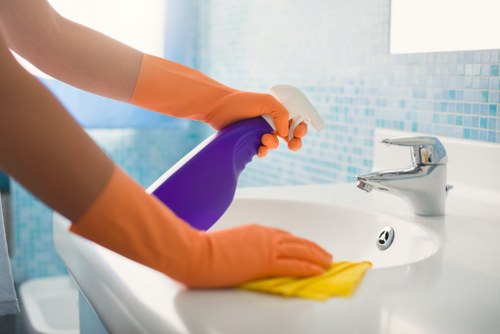 Appropriate PPE protects both the operator and occupants. Typical items for carpet cleaner hire work include chemical-resistant gloves, splash-proof eye protection, slip-resistant footwear and, where required, masks to prevent inhalation of fine aerosols from cleaning agents. PPE selection should be based on an assessment of the substances in use and the environment where the carpet cleaning is taking place.
Employers and rental providers must ensure PPE is available, in good condition and correctly fitted. The responsibility to supply PPE may rest with the rental company when providing full-service carpet cleaner rental solutions; self-hire customers should be informed of required PPE before collection. Routine checks for wear and tear are important ??? a torn glove or scratched goggles are ineffective and create avoidable risk.
 Practical on-site procedures complement PPE. These include clear signage to warn of wet floors, immediate containment of any chemical spills, secure routing of hoses to prevent tripping and effective ventilation to reduce fumes. Using floor protectors under heavy equipment and padding under machine wheels protects delicate surfaces while maintaining safe operation standards.
Risk assessment is the systematic process that brings all safety elements together for a successful carpet cleaning hire. A competent risk assessor should identify hazards, evaluate who might be harmed and how, and decide on control measures. For carpet cleaner rental scenarios, hazards commonly include wet floors, electrical hazards from power leads, manual handling of heavy machines, and chemical exposure.
Risk assessments should be documented and proportionate to the scale of the job. For a domestic rug cleaning machine hire, a brief checklist may suffice: check power source, identify trip hazards, verify chemicals are compatible with the fabric and ensure occupants are aware of work zones. For commercial carpet cleaner rental services, a more detailed assessment might include method statements, emergency procedures and contingency plans for major spillage or equipment failure.
Control measures derived from the risk assessment should be practical and observable. Examples include isolating the work area, using cable ramps, lifting aids or trolleys for heavy machines, and pre-testing cleaning chemicals on inconspicuous areas. Documentation of the risk assessment and the controls implemented can be essential evidence for insurers in the unlikely event of a claim.
Monitoring, review and continuous improvement complete the safety cycle for carpet equipment hire. Regular audits of processes, test runs of emergency procedures and review of incident logs (if any) keep the operation aligned with best practice. Insurance providers expect rental businesses to demonstrate that they monitor and update their safety arrangements, which helps reduce risk and supports the long-term viability of the carpet cleaner rental offering.
To summarise, a responsible carpet cleaning machine rental or carpet cleaner hire service combines comprehensive public liability insurance, well-trained staff, suitable PPE and a robust risk assessment process. These elements work together to reduce harm, protect property and ensure a smooth, safe experience for everyone involved.
Key actions for safe hiring:
- Verify insurer details and policy limits
- Confirm operator training and competence
- Provide and check appropriate PPE
- Complete and record a site-specific risk assessment